Legal Topics

Consumer Rights Explained: Protect Yourself in a World of Scams
Key Takeaways
- Fake Operators: Scammers constantly pose as local power companies or federal cops to steal private details. People absolutely must hang up instantly and confirm billing problems directly through official main office numbers.
- Dodging Digital Traps: Random texts promising massive lottery checks or demanding instant password resets act as brutal digital traps. Reporting these totally fake alerts to local authorities stops massive future attacks.
- Locking Plastic Cards: Real banks completely refuse to ask for plastic digits during random calls. Buyers must keep financial numbers strictly inside safe checkout screens.
- Avoiding Fake Freebies: Shady websites pushing free diet pills for tiny postage fees hide completely brutal subscription traps. Shoppers absolutely must read tiny print to stop huge monthly drains.
Most of us are aware that the world can be a cynical place, but we don't always expect that cynicism to come from people who are trusted as representatives of reputable businesses. The prevalence of scammers and con artists is no secret, and the unfortunate reality is that they tend to focus on those whom they believe to be their simplest targets: older, less affluent individuals. While there are many legitimate reasons to buy a private internet connection, there are also scammers who try to take advantage of unaware consumers by selling them something that doesn't exist. Unfortunately, there's no way to tell the difference between a legitimate and a scammy provider just by looking at their website. For that reason, you should always conduct due diligence before purchasing a private connection. Whether you're a senior or just someone who values your privacy above all else, it's important to be informed about your rights as a consumer. Scams in any industry are insidious things; once you know what to look out for, most of them aren't difficult to spot. However, when they are presented in an almost ethical way, it can be difficult to tell whether or not you are reading an advert or being set up for a con. As such, here are some tips on protecting yourself from common scams.
When You Receive a Suspicious Phone Call?
A phone call is one of the most common ways that scammers will attempt to lure you in. You will receive an automated message, or perhaps an extremely convincing call from someone pretending to be a representative of a company you deal with regularly, anything from your local power company to federal security agencies. In most cases, the scammers will pretend that there is a problem with your account and attempt to get you to provide them with your personal information so that they can fix the issue. If you have any doubts as to the legitimacy of a phone call, hang up. You have no obligation to talk to anyone who calls you unless you are certain that you recognize the number. If you receive a phone call that you believe is a scam, report it to the company the scammers are pretending to represent.
Receiving Unsolicited Mail or Email
One of the most common ways that scammers attempt to get your attention is through unsolicited mail. This can include anything from emails to direct mail that targets individuals with certain characteristics. In the case of email, this can include anything from fake surveys to emails that appear to be from a government agency and ask for personal information. The key with all of these is to not engage with them and instead report them to the proper authorities. You might receive a letter that claims you have won a lottery or sweepstakes that you never entered or an email from a supposed friend who is trapped in a foreign country and needs money wired to them to return home. Regardless of how enticing the offer might be, mailing someone who has no connection to you is highly suspect.
If the offer seems too good to be true, it probably is. The inspector will investigate the matter and try to track down the sender and shut down the scam email account if it is a false one. The ISP can also help with this by providing information on the IP address of the computer that sent out the email. To avoid being scammed by email, you should be careful about what you click on. One of the most common ways that scammers try to get you to click on a link is by sending an email that mimics a notification from a company that you do business with. For example, you might receive a message that looks like it is from your bank telling you that you need to update your account information. If you receive a letter that you believe is a scam, report it to your local postal inspector's office as well as the internet service provider of the sender.
When Someone Asks for Your Credit Card Number?
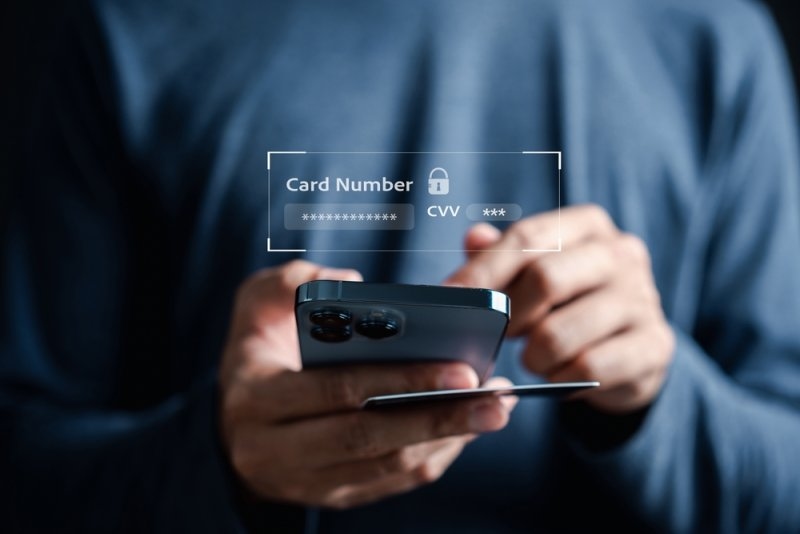
Credit card companies will ask for your card number when you make an online purchase, but that is the only time that it should ever be given out. Many unscrupulous companies will pretend to be your credit card company and request your card number so that they can instantly check your card’s balance; this is, of course, completely false. Most credit card companies will never ask for your card number over the phone or via email, so if someone you have never done business with requests it, they are almost certainly attempting to scam you. If you are ever asked for your credit card number, demand to speak with a representative over the phone. If they refuse to do so, immediately report the incident to the police.
When You are Offered Free Trials?
In the beauty and health industries, you may be tempted by the promise of a product that will work wonders for your skin or help you lose weight if you only pay a small shipping and handling fee. The truth of the matter is that these free products are often shoddy, expired, or even dangerous to your health. If a company is offering you a product trial, it is likely a scam. If you are shopping online, be sure to check the shipping and handling charges as well as the expected delivery date. If the company has a money-back guarantee, be sure to read the terms and conditions to avoid any unexpected charges. Stay vigilant and do your due diligence when shopping online to avoid falling victim to a scam. Legitimate companies do not make money through shipping and handling fees and generally do not make use of false advertising. Few things are more tempting than a product that is being offered for free, but beware. If you are ever offered a free trial, report the offer to your local consumer protection agency, and be sure to file a complaint with the Federal Trade Commission.
Conclusion
The world is a tricky place, and it can be easy to fall prey to scammers. However, with a bit of knowledge and determination, you can protect yourself from the most common scams and continue living your life with minimal hassle. The main ones to keep in mind are that goods or services must be provided with due care and fit for their intended purpose. You have the right to seek redress if any of these are not met. As a consumer, you have the right to a fair contract: one that is clear and easy to understand.
Frequently Asked Questions
How should folks react to completely random calls from giant corporations?
Targets absolutely must hang up instantly without giving away raw private facts. Consumers should call the massive company directly using trusted public digits to verify actual real billing problems.
What exact dangers do completely unsolicited fake emails bring to consumers?
Shady notes totally copy real banking alerts or invent wild stories about trapped friends needing quick cash. Clicking those highly toxic links completely destroys computer safety and ruins bank accounts.
When exactly is dropping a real credit card number considered totally safe online?
Shoppers should only type raw digits during completely safe, self-started digital website checkouts. Massive banks entirely refuse to demand full plastic numbers through completely random calls or totally unprompted emails.
How do shady operators weaponize totally free trials?
Shady operations use completely fake giveaways to steal initial plastic numbers, hiding strictly behind tiny postage fees. These aggressive groups then launch brutal monthly billing cycles that completely trap average buyers.
Where should victims properly report highly deceptive street business practices?
Burned targets absolutely must submit hard paperwork straight to local cops, community protection desks, and massive federal watchdogs. Dropping heavy reports helps government task forces completely smash these totally illegal rings.
Current Topics
1. What are the Key Consumer Protection Laws You Should Know?
Quick TakeawayUnderstan...
2. How to Choose a Family Law Attorney for Legal Cases and Help
Key TakeawaysA family l...
3. Chapter 7 vs Chapter 11 Bankruptcy: What You Need to Know?
Key TakeawaysChapter 7 ...
4. Misdemeanor vs Felony: Key Differences and Penalties
Key TakeawaysMisdemeano...
5. Sole Proprietorship vs LLC: Choose the Right Business Setup
Key takeawaysIn decidin...
6. Chapter 7 vs Chapter 13: Which Bankruptcy Option is Right?
Key TakeawaysIt is impo...
7. Legal Separation vs Divorce: Understanding the Differences
Breaking up a household completely wr...
8. How to Write a Legal Will Your Family and Courts Will Honor
Key TakeawaysA will let...
9. How to Choose a Good Criminal Defense Lawyer: Step-by-Step
Hearing the click of handcuffs or rea...
10. Different Types of Lawyers: How to Find the Right Attorney?
Most people never think about hiring ...