Legal Topics
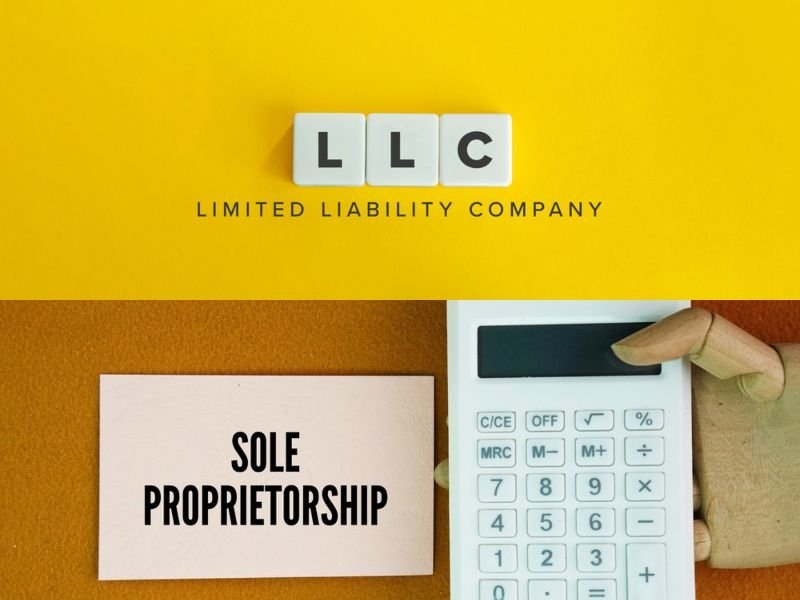

Sole Proprietorship vs LLC: Choose the Right Business Setup
Key takeaways
- In deciding between a sole proprietorship vs LLC, one must consider their objectives and risk levels, their finances, taxes, and the extent of legal protection they need.
- A sole proprietorship is simple to organize and low-cost to create, and therefore it suits many freelancers and small businesses. But it lacks the separation of personal and business liabilities.
- LLC has LLC liability protection, which gives entrepreneurs the protection and flexibility needed in running their businesses.
Picking the appropriate business structure is one of the initial steps taken by entrepreneurs in the process of setting up their own venture. The choice that one makes will have implications on taxes, liabilities, documentation, and liability protection. Two entities popular among US businesses are sole proprietorships and LLCs. Whereas sole proprietorships have the advantage of being simpler and less costly, LLCs offer a more structured business entity with some additional protection.
What is a Sole Proprietorship?
A sole proprietorship is a business owned and run by an individual. This type of business is relatively simple because there is normally no other entity formed between the business and the owner.
In cases where a person decides to sell their services or products and earn money from their business, they could operate as sole proprietors automatically.
One of the main strengths of being sole proprietors is simplicity. The business owners are in full charge of the business decisions, profit, and operation. In addition, they do not have many administrative requirements.
The sole proprietorship may be preferred by those who are experimenting with an idea or running a low-risk business. However, this also creates problems since there is no legal separation between the owner and the business.
This means that in case of business debts and lawsuits, the owner will be held personally liable for them. This is what is called sole proprietorship liability.
What is an LLC?
A limited liability company, often referred to as an LLC, is a formal business organization that brings a distinction between the business and its owners.
An LLC can either be owned by one individual or more than one individual, according to how a business is set up. Individuals who own an LLC are referred to as members of the LLC.
The main advantage of choosing to use an LLC is the LLC liability protection. By providing the distinction between business and personal properties, an LLC can help in protecting the owner's personal property from being sued by business creditors.
Although an LLC involves additional steps in forming and maintaining the business as compared to a sole proprietorship, business people find these additional processes worth considering due to the protection provided.
An LLC can help a business to look more established to clients and banks, among other parties.
Sole Proprietorship vs LLC: Key Differences
| Factor | Sole proprietorship | LLC |
| Structure | Simple structure with less criteria | Must be registered in the state |
| Ownership | Single-person ownership | One or more members |
| Separation | There is no separation between the owner and the business | Separate legal identity |
| Liability | Personal liability for all business debts | Provides limited liability protection |
| Taxation | Profits declared on personal income tax form | Options for taxation |
| Expense | Less initial cost involved | More costs in forming and maintaining |
| Documentation | Fewer compliance requirements | More documentation requirements |
Also Check: LLC vs. Corporation: Key Differences & Best Choice
Liability Protection: Sole Proprietorship vs LLC
One of the key differences between the two types of structures is liability issues. Under a sole proprietorship, liability can reach the person's property. In case of any problem with the company and the inability to cover all costs, it is possible that even personal savings and other property of the person will be subject to claims by creditors.
This risk makes many people think carefully about liability when choosing a structure for their business.
LLC creates a barrier of protection since the company is considered an independent legal entity. Although LLC liability protection is not able to solve all problems, it usually helps to separate personal from business liabilities.
For companies dealing with contracts, consumers, employees, tangible products, or risks, LLC liability protection is another important factor.
Taxes: Sole Proprietorship vs LLC

Taxation is yet another important element that should be considered when determining which business structure to choose.
In a sole proprietorship, business income and expenses are recorded on the owner’s personal income tax forms. In a sole proprietorship, the business entity does not pay income taxes separately to the federal government.
The good thing about sole proprietorship taxes is simplicity because one can record the business income and expenses without necessarily using complicated tax structures.
But there is also the burden of paying the self-employment taxes in a sole proprietorship and making sure to report all business income.
There are many tax advantages associated with LLC businesses. Many LLCs use pass-through taxation whereby all profits from the business go to the business owners in the form of personal income. One can have alternative ways of taxation in an LLC depending on the circumstances.
When considering LLC taxes, it all depends on what works best in different situations.
Costs of Forming a Sole Proprietorship vs LLC
The cost factor usually comes into play right at the start for entrepreneurs.
Starting a sole proprietorship would usually be the cheapest form of starting a business. The lack of an official procedure at the state level for setting up the business makes starting cheap. However, the owner may need licenses and permits, among others, depending on his/her business type and location.
The relatively cheaper sole proprietorship costs make it a good choice for people testing their ideas and business ventures without spending too much money.
LLCs are relatively costly because the owner has to do several things that involve expenses. These include filing fees in the state where you conduct your business.
Despite the high LLC costs, many entrepreneurs consider them an investment worth making.
Must Read: How to Form a Single-Member LLC (SMLLC) in 10 Easy Steps
Benefits of a Sole Proprietorship
The sole proprietorship may be considered a sensible form of enterprise structure for small businesses that are not too complex.
Some main sole proprietorship benefits include:
- Simplified start-up procedure
- Small initial costs
- Full control over the running of the business
- Fewer formalities
- Simple tax system
This type of business is well-suited for freelancers, professional entrepreneurs, and people starting up businesses with minimum risk.
However, as the business develops, its drawbacks become more apparent to the owner.
Benefits of an LLC
The LLC is one of the best business structures for those entrepreneurs who seek a more formal setup.
Some major LLC benefits include:
- Separation between personal and business assets
- Various forms of ownership
- Increased credibility of the business
- More tax flexibility
- Better base for business growth
LLC is one of the best alternatives to a corporation for many small business owners since it combines protection and ease of management in one package.
Conclusion
Selecting either a sole proprietorship or an LLC can be a crucial choice for your firm’s future success. Sole proprietorships are easy to form and relatively inexpensive, whereas an LLC offers greater security and versatility. Through careful analysis, entrepreneurs can choose the option that suits them most.
FAQs
What factors determine sole proprietorship vs LLC which is better for a new entrepreneur?
There are many factors that should be taken into account while deciding whether one should choose a sole proprietorship vs LLC, and these factors include business risk, business plan, budget, and how much legal protection a person needs.
What should business owners know about sole proprietorship vs LLC pros and cons?
Learning the differences between sole proprietorship vs LLC pros and cons can assist in making the right choice. Sole proprietorships are usually less costly but still offer advantages.
Can business goals influence sole proprietorship vs LLC tax decisions?
Certainly, business objectives can impact whether to form a sole proprietorship or an LLC for taxation purposes. Income, expansion possibilities, reinvestment, and hiring prospects may play a part in determining the most suitable entity to facilitate tax management.
What should entrepreneurs understand about sole proprietorship vs LLC liability before starting?
Prior to establishing a business, it is critical for entrepreneurs to know something about liability issues related to sole proprietorships and LLCs, as both entities provide for different ways to mitigate risk.
When should a sole proprietor become an LLC?
Conversion to an LLC can be appropriate if the firm is dealing with many clients, more risks, regular earnings, or a need for personal and company accounts segregation.
Current Topics
1. What are the Key Consumer Protection Laws You Should Know?
Quick TakeawayUnderstan...
2. How to Choose a Family Law Attorney for Legal Cases and Help
Key TakeawaysA family l...
3. Chapter 7 vs Chapter 11 Bankruptcy: What You Need to Know?
Key TakeawaysChapter 7 ...
4. Misdemeanor vs Felony: Key Differences and Penalties
Key TakeawaysMisdemeano...
5. Sole Proprietorship vs LLC: Choose the Right Business Setup
Key takeawaysIn decidin...
6. Chapter 7 vs Chapter 13: Which Bankruptcy Option is Right?
Key TakeawaysIt is impo...
7. Legal Separation vs Divorce: Understanding the Differences
Breaking up a household completely wr...
8. How to Write a Legal Will Your Family and Courts Will Honor
Key TakeawaysA will let...
9. How to Choose a Good Criminal Defense Lawyer: Step-by-Step
Hearing the click of handcuffs or rea...
10. Different Types of Lawyers: How to Find the Right Attorney?
Most people never think about hiring ...