Legal Topics
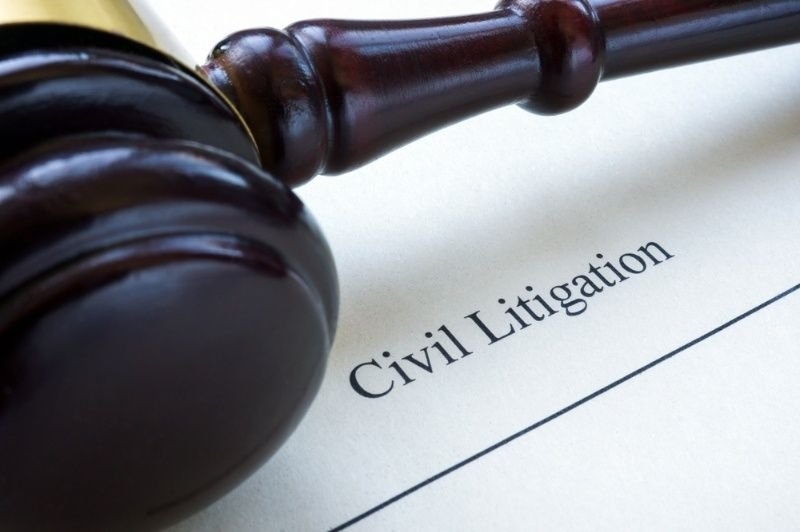

Types of Civil Litigation Cases that Corporations Must Know
Running a corporate entity without understanding the legal threats aimed at your balance sheet is financial suicide. When vendor agreements collapse or former executives steal proprietary assets, you don't get to ignore the process. You either respond with an aggressive defensive posture or watch litigation costs eat your operating margins alive. Many operators treat courtroom battles as an afterthought until process servers show up at corporate headquarters. Knowing the different types of civil litigation cases beforehand lets your legal team preserve critical evidence and shut down frivolous claims early.
What is Civil Litigation?
Nobody goes to prison in civil court. It is strictly a legal war over bank accounts and business assets. The person suing your company either wants a heavy cash payout or a judge's signature that freezes your operations overnight. You aren't dealing with prosecutors here. For a growing enterprise, this almost always means cleaning up a vendor deal that went sideways, chasing down proprietary tech stolen by an ex-employee, or fighting a toxic co-founder over boardroom control.
Every civil lawsuit moves through strict procedural phases before it ever touches a trial court. You start with pleadings and motions, grind through months of exhausting fact discovery, and often end in court-ordered mediation. Understanding how this timeline works prevents executives from panicking when litigation drags on for years without an immediate verdict.
Understanding the Different Types of Civil Litigation Cases
Corporate legal fights rarely fit into neat, predictable boxes. Reviewing the core types of civil cases below will help your executive team recognize legal exposure before a minor disagreement turns into an expensive court battle.
1. Breach of Contract Claims
This is where most operating businesses get dragged into court. A core supplier blows a delivery deadline, or an enterprise client stiff-arms a six-figure invoice, forcing you to prove the deal metrics in front of a judge.
2. Employment and Labor Lawsuits
Disgruntled ex-staff can paralyze your momentum in days. You will be dealing with wage complaints, broken executive non-competes, or messy wrongful termination claims that demand fast defensive firepower.
3. Intellectual Property Infringement
Your proprietary code and brand assets are the whole company. When a competitor starts ripping off your software features or squatting on your patents, you don't send polite emails—you drag them into court for an emergency injunction to shut it down fast.
4. Commercial Real Estate Conflicts
A fight over an office lease or warehouse zoning will stall your daily logistics overnight. Most of the time, these blow up because a landlord refused to fix building infrastructure, or they're trying to slap you with massive fees for breaking a lease early.
5. Shareholder and Partnership Litigation
Civil war inside the boardroom kills enterprise valuation faster than any competitor. Co-founders and minority owners will file lawsuits alleging hidden financial fraud, unfair dividend payouts, or outright breach of fiduciary duty.
Major Factors That Can Impact Civil Lawsuits
Filing a complaint or receiving a court summons is just the first step in a long war. Several operational hurdles will dictate whether your civil lawsuits end in a fast settlement or a protracted financial drain.
1. Paper Trail and Evidence Quality
A judge won't care what was promised over the phone. Who wins or loses usually comes down to who saved the Slack receipts, messy email chains, and contract change orders showing where the deal actually fell apart.
2. Jurisdiction and Venue Selection
Where you fight matters just as much as what you fight over. Arbitration clauses, state-specific liability laws, and federal court rules drastically alter how fast a case moves.
3. Opposing Counsel's Financial Runway
Sometimes a weaker opponent will try to bankrupt you through endless procedural motions. You have to gauge whether the other side has the cash reserves to survive a two-year discovery process.
Things Companies Must Know About Legal Disputes
Handling legal disputes requires executive discipline, not just hiring outside lawyers. Here is what your leadership team needs to accept before stepping into a courtroom.
1. Discovery Drains Executive Productivity
Your C-suite will lose hours of focus. Lawyers will depose your founders, dig through private servers, and demand years of internal communications during the document production phase.
2. Settlements Are Mathematical Decisions
Fighting on principle is a rookie mistake. Smart operators calculate the total cost of legal fees versus the probability of winning, then settle when the math makes sense.
3. Court Records Turn Public Quickly
Standard lawsuits aren't quiet arbitration rooms—they are public record. The moment a filing hits the court docket, your financials, internal boardroom arguments, and proprietary numbers are sitting out in the open for any competitor to download and read.
How to Find the Best Civil Litigation Attorney?

You cannot entrust high-stakes corporate survival to a general practitioner. Use these vetting rules to hire a seasoned civil litigation lawyer who knows how to fight in the trenches.
1. Prioritize Real-World Trial Experience
Many commercial lawyers are great at drafting contracts but panic before a jury. You need counsel who has actually tried cases to verdict and knows courtroom procedure cold.
2. Verify Specific Industry Expertise
Fighting a lawsuit in retail apparel is completely different from defending a SaaS platform or a fintech startup. Hire lawyers who already know your exact business model so you aren't paying hourly rates just to explain how your company makes money.
3. Demand Transparent Billing Models
Open-ended hourly billing just gives outside counsel a reason to drag out minor fights. Lock in phased project budgets, capped retainers, or a hybrid fee setup before work starts so your lawyers are financial partners, not a monthly cash drain.
4. Test Crisis Responsiveness Early
When an emergency injunction drops on a Friday afternoon, you cannot wait until Monday for an answer. Hire lawyers who respond to urgent strategic calls without bureaucratic delays.
Must Read: Commercial Property Issues: Legal Aspects and Solutions
Conclusion
Navigating the complex types of civil litigation cases requires vigilance, strong evidence preservation, and a realistic assessment of corporate financial risk. When you understand how civil lawsuits unfold, you stop wasting capital on emotional courtroom standoffs and start making disciplined operational decisions. Don't let unresolved legal disputes destroy the brand value you spent years building.
Frequently Asked Questions
What are the different types of civil litigation cases?
Beyond routine contract scraps, growing businesses get slammed by consumer class actions, antitrust investigations, and environmental penalties. These messy fights often turn into multi-district litigation, where hundreds of angry claimants team up to target one balance sheet for maximum financial damage.
What cases fall under civil litigation?
Any non-criminal courtroom fight where someone wants a specific financial or operational fix lives here. Nobody goes to jail. Instead, the judge either hands down a massive cash judgment, slaps you with a restraining order, or legally forces your company to finish a job it promised to do.
When should you file a civil lawsuit?
You should only pull the trigger after you exhaust formal demand letters, confirm the defendant has actual liquid assets to seize, and verify that the statute of limitations has not expired. Filing without verifying the defendant's solvency is a waste of money because winning an uncollectible judgment gets you nothing.
Current Topics
1. What are the Key Consumer Protection Laws You Should Know?
Quick TakeawayUnderstan...
2. How to Choose a Family Law Attorney for Legal Cases and Help
Key TakeawaysA family l...
3. Chapter 7 vs Chapter 11 Bankruptcy: What You Need to Know?
Key TakeawaysChapter 7 ...
4. Misdemeanor vs Felony: Key Differences and Penalties
Key TakeawaysMisdemeano...
5. Sole Proprietorship vs LLC: Choose the Right Business Setup
Key takeawaysIn decidin...
6. Chapter 7 vs Chapter 13: Which Bankruptcy Option is Right?
Key TakeawaysIt is impo...
7. Legal Separation vs Divorce: Understanding the Differences
Breaking up a household completely wr...
8. How to Write a Legal Will Your Family and Courts Will Honor
Key TakeawaysA will let...
9. How to Choose a Good Criminal Defense Lawyer: Step-by-Step
Hearing the click of handcuffs or rea...
10. Different Types of Lawyers: How to Find the Right Attorney?
Most people never think about hiring ...