Legal Topics


How Do Traffic Violations' Insurance Impact Your Rates?
For drivers, getting a ticket can be really frustrating. The fine seems like a deal at first. Often it's just the start. A traffic ticket can end up costing you thousands of dollars in insurance over the years. So it's really important to understand how insurance companies look at your driving history. This helps you keep your insurance affordable and your finances healthy.
In this article, we're going to talk about the costs you might not think about when you get a ticket and the most efficient ways to avoid a violation ticket. We'll look at how insurance companies decide to raise your rates, how points on your driving record work, what penalties you might face with a traffic ticket, and how a bad driving record can affect how much you pay for insurance. Traffic tickets and insurance are closely related. Traffic tickets can increase insurance costs. A traffic ticket can lead to higher insurance rates.
What is a Traffic Violation’s Insurance Impact?
A traffic ticket can increase your insurance premium. This happens because insurance companies assess risk. When you get a ticket, you are seen as a risky driver. As a result, they raise your rates to balance this risk. The increase can last from three to ten years. It depends on how bad the ticket is and the state's rules. The insurance impact varies based on the traffic violation. Your premium will likely go up after a conviction. Insurance companies use this method to account for the increased risk. The duration of the impact depends on the violation and state laws. Therefore, it is essential you know the primary and secondary traffic violations.
What is the Importance of a Clean Driving Record?
Having a driving record is really important. This is because it determines whether you qualify for the price you pay for your car insurance, which is called "preferred" pricing. If you do not get any points on your driving record, you can get a "Safe Driver" discount. This discount can reduce your car insurance premium by 25%. On the other hand, if you get just one ticket, you will lose this discount, and your car insurance company will raise your rate. This means you will have to pay a lot of money every month for your car insurance.
How do Specific Violations Trigger a Car Insurance Rate Increase?
The severity of the offense determines how much your car insurance rate will increase. Minor offenses, like a taillight, may not affect your rate much.
On the other hand, major offenses such as a DUI can cause your rates to double or even lead to your policy being canceled. Moving violations, such as speeding, are taken seriously. The timing of the rate increase usually coincides with your policy's renewal. At this time, your insurer will run a Motor Vehicle Report (MVR), and if you have a new conviction, they will recalculate your risk profile. This is when the effects of a driving record usually show up. The new conviction on your driving record triggers this recalculation
Understanding Points on Driving Record and Insurance Risk
Most states use a point system to track how people drive. When you get points on your driving record, it means you are more likely to get into an accident and file a claim.
- Point Accumulation: Each time you get a ticket, you get a number of points. Insurance companies think that if you have a lot of points, you are a risk.
- Surcharge Durations: A lot of insurance companies will charge you money for every point you have on your record. This extra money usually has to be paid for three years.
- High-Risk Labels: If you get many points and your license is suspended, you might have to switch to a High-Risk insurance company, and that will cost you a lot more money
What are the Typical Insurance Penalties Traffic Ticket Holders Face?
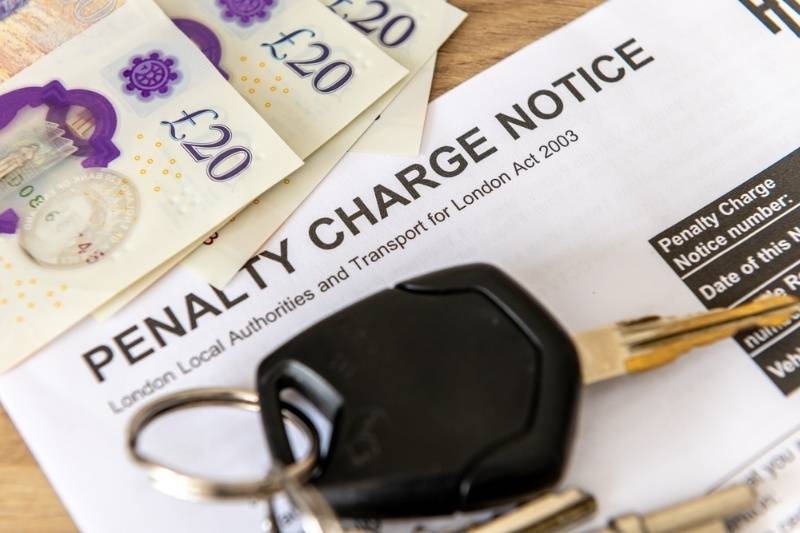
When you get a traffic ticket, the problems with your insurance do not stop at a bill. You may also lose your Safe Driver status, which you earn after driving safely for 5 years without any tickets. If you get one ticket, you have to start over again. Traffic ticket holders who commit violations may have to fill out an SR-22 form. This form shows that you have the insurance coverage you need. It also means the insurance company thinks you are a high-risk driver, which can cause your insurance rates to go up a lot. Traffic ticket holders like you will see that insurance penalties are very serious.
How to Mitigate the Driving Record Effects on Your Premium
If you already have a ticket, there are steps you can take to reduce its impact on your driving record.
- Attend Traffic School: In some places, taking a defensive driving course can get points removed from your record or prevent the ticket from being reported to your insurance company.
- Coverage Insurance: You can also try to shop for insurance coverage. Different insurance companies treat violations in different ways. If your current provider raises your car insurance rate a lot, you can compare quotes from other companies.
- Increase Your Deductible: You can choose a deductible, which is the amount you pay out of pocket when you make a claim. This can lower your payment and help offset the impact of the ticket.
Conclusion
Traffic violations can really hurt you in the long run when it comes to your insurance. You need to think and be smart about it. When you get points on your driving record, your car insurance goes up. So it's a good idea to know how this works. You should know what happens when you get a traffic ticket and how it affects your insurance. There are things you can do to make it better, such as taking traffic school. The best thing to do is drive and avoid getting tickets. This way, you can keep your driving record clean. Your insurance rates will not go up. Traffic violations and insurance are closely related, so you should always try to avoid traffic violations and know every law about them.
FAQs
How long does a speeding ticket stay on my insurance record?
In the states, a speeding ticket will affect your insurance for three to five years. This is the time when the insurance company will probably add money to what you pay for insurance. When the three to five years are over, the speeding ticket is no longer on your record. You can ask the insurance company to review your rates again to remove the extra penalties for the speeding ticket.
Can a single ticket cause my insurance policy to be canceled?
A single minor ticket does not usually cause a problem. Something serious, like a DUI, can get your insurance canceled right away. If you get a ticket that puts you over the points limit in your state, your insurance company may cancel your policy because you are no longer a driver.
Will my insurance go up if I get a ticket in another state?
Yes, most states share information about traffic violations through the Driver License Compact. If you get a ticket in another state, it gets sent back to the Department of Motor Vehicles in your state. When the ticket shows up on your driving record, your insurance company will find out about it when your policy is up for renewal. This usually means your insurance rates will go up. The Driver License Compact is how states share this kind of information. So if you get a ticket, your insurance company will see it. You will probably pay more for insurance.
Current Topics
1. What are the Key Consumer Protection Laws You Should Know?
Quick TakeawayUnderstan...
2. How to Choose a Family Law Attorney for Legal Cases and Help
Key TakeawaysA family l...
3. Chapter 7 vs Chapter 11 Bankruptcy: What You Need to Know?
Key TakeawaysChapter 7 ...
4. Misdemeanor vs Felony: Key Differences and Penalties
Key TakeawaysMisdemeano...
5. Sole Proprietorship vs LLC: Choose the Right Business Setup
Key takeawaysIn decidin...
6. Chapter 7 vs Chapter 13: Which Bankruptcy Option is Right?
Key TakeawaysIt is impo...
7. Legal Separation vs Divorce: Understanding the Differences
Breaking up a household completely wr...
8. How to Write a Legal Will Your Family and Courts Will Honor
Key TakeawaysA will let...
9. How to Choose a Good Criminal Defense Lawyer: Step-by-Step
Hearing the click of handcuffs or rea...
10. Different Types of Lawyers: How to Find the Right Attorney?
Most people never think about hiring ...