Legal News


Rights, Penalties, and Defence Against Criminal Damage Laws
Property feels personal. A scratched car door, a shattered storefront window, graffiti sprayed where it doesn’t belong—it hits a nerve. Laws around criminal damage exist to protect that sense of ownership, fairness, and order. This blog walks through what criminal damage really means under US law, how it differs from related offenses, what penalties can follow, and how defenses work when accusations arise. Along the way, we’ll touch on real-life scenarios, gray areas, and the human side of property disputes, because honestly, these cases are rarely as simple as they look on paper.
Criminal Damage And How The Law Sees It
Prior to the implementation of penalties or defenses, it is good to know how criminal damage fits into the legal system. This section prepares the groundwork for how the law defines property harm and why intent is such an important issue.
What Counts As Criminal Damage
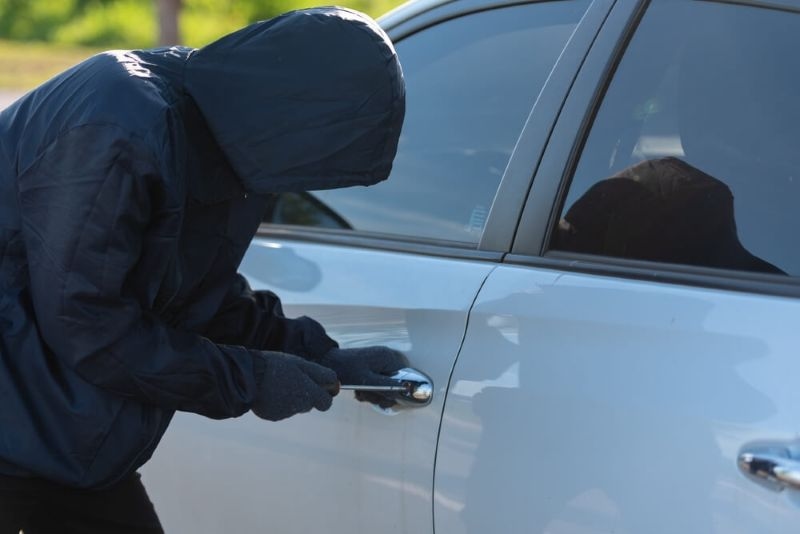
At its core, criminal damage refers to intentionally harming someone else’s property without permission. That harm can be obvious or subtle. Breaking a window is clear-cut. So is keying a car. But damage can also involve tampering with utilities, fencing, or digital property tied to physical systems.
Courts usually look for three things. There must be property involved. There must be damage or destruction. And there must be intent, or at least reckless behavior. Accidents, like backing into a mailbox, generally fall into civil territory, not criminal court.
What Is Criminal Mischief And Why Does It Matter
You’ll often hear the phrase what is criminal mischief in legal discussions, police reports, or local statutes. In many US states, criminal mischief is the term used instead of criminal damage. Functionally, they’re cousins. The idea is the same, even if the wording shifts.
Criminal mischief usually covers acts done on purpose or with reckless disregard. Think of slashing tires after an argument, not bumping into them in a crowded parking lot. The label matters because penalties, charges, and defenses often hinge on how the offense is classified under state law.
Examples Of Criminal Damage In Everyday Life
Some examples of criminal damage feel obvious. Others sneak up on people.
- Spray painting graffiti on private property
- Smashing mailboxes as a prank
- Cutting down a neighbor’s tree without consent
- Tampering with security cameras
- Malicious destruction of property during a heated breakup
Also read: Exploring Criminal vs Civil Law: Know the Key Differences
Rights Of Property Owners And Accused Individuals
When damage is experienced, rights are involved for both parties. This part is a counterpoint of the protection to which the owners are accorded and that of the accused.
Rights Of Property Owners Under The Law
Property owners are entitled to rely on the fact that their belongings are not going to get damaged. In case they are damaged, they can report the damage and claim restitution, and in some instances, instigate criminal prosecution.
They can be entitled to compensation for the expenses of repair, clean-up, or the compensated use of the premises, as well. The insurance companies also come into play, and then it creates an extra dimension. Any person familiar with a claim to an insurance company can tell that it can be a second job.
Rights Of The Accused You Should Know About
On the flip side, being accused doesn’t mean being guilty. Accused individuals have constitutional rights that matter deeply. The right to remain silent. The right to an attorney. The right to due process.
Honestly, this part gets overlooked in public opinion. People see damage and jump to conclusions. But intent, ownership disputes, and misunderstandings can flip a case upside down.
How Police And Prosecutors Approach These Cases
Law enforcement typically looks at evidence like surveillance footage, witness statements, and physical proof of damage. Prosecutors then decide whether charges stick and at what level.
Don't miss: Navigating the Complexities of Search and Seizure Law
Penalties That Come With Criminal Damage Charges
Penalties are where theory meets reality. This section explains what someone might actually face after being charged.
Misdemeanor Versus Felony Penalties
In many states, minor criminal damage leads to misdemeanor charges. These can bring fines, probation, community service, or short jail time. Felony charges usually involve higher repair costs or repeat offenses.
Once a felony enters the picture, consequences grow heavier. Longer sentences. Larger fines. A criminal record that follows you into job interviews and housing applications.
Financial Consequences Beyond The Courtroom
Fines are only part of the story. Courts often order restitution. That means paying the victim directly for repairs or replacement. Add court fees, legal costs, and insurance complications, and the bill can climb fast.
Long-Term Effects On Employment And Reputation
Even a minor conviction can leave a mark. Background checks don’t care much about context. They show the charge and the outcome. Employers, landlords, and licensing boards may draw their own conclusions.
This is why defense strategy matters, even in cases that seem small at first glance.
Defence Against Criminal Damage Allegations
Defense is where law meets storytelling. Facts matter, but so does how those facts are framed.
Lack Of Intent As A Core Defense
One of the strongest defenses is a lack of intent. If the damage was accidental, the criminal element may disappear. For example, a contractor damaging property while performing authorized work might avoid criminal liability.
Intent is tricky. Prosecutors must prove it, not just assume it.
Ownership And Consent Disputes
Sometimes the question isn’t damage, but ownership. If two people jointly own property, or if consent was given, the case becomes murky. Domestic disputes often fall into this category.
Let us explain. If someone damages property they reasonably believed was theirs, criminal charges may not stick.
Insufficient Evidence And Procedural Errors
Defense attorneys also examine how evidence was collected. Illegal searches, unreliable witnesses, or missing documentation can weaken the prosecution’s case.
It’s not about technicalities for the sake of it. It’s about fairness and constitutional boundaries.
Read more: Exploring the Key Stages of a Criminal Case
Conclusion
The criminal damage legislation lies at the junction point of feeling, possession, and responsibility. They defend owners, provide limits to how far one should go, and provide a defense against wrongful accusations. It is one thing when it is just a case of a broken fence, a hot-tempered quarrel, or even a serious charge; it is quite another when money or property is involved. Knowledge does not simply provide information to guide decisions. It helps calm panic, clear the mind, and lets one proceed with their life, rather than fearing it.
FAQs
Is Criminal Damage Always A Felony?
No. Many cases are misdemeanors, especially when the damage value is low. Felonies usually involve higher costs or repeat offenses.
Can Accidental Damage Lead To Criminal Charges?
Generally no. Criminal cases require intent or recklessness. Accidents are usually handled as civil matters.
Does Paying For Repairs Automatically End The Case?
Not always. Restitution helps, but prosecutors may still pursue charges depending on the facts.
Should I Talk To Police Without A Lawyer?
It’s risky. Even casual statements can be misunderstood. Legal advice helps protect your rights early on.
Current Topics
1. What are the Key Consumer Protection Laws You Should Know?
Quick TakeawayUnderstan...
2. How to Choose a Family Law Attorney for Legal Cases and Help
Key TakeawaysA family l...
3. Chapter 7 vs Chapter 11 Bankruptcy: What You Need to Know?
Key TakeawaysChapter 7 ...
4. Misdemeanor vs Felony: Key Differences and Penalties
Key TakeawaysMisdemeano...
5. Sole Proprietorship vs LLC: Choose the Right Business Setup
Key takeawaysIn decidin...
6. Chapter 7 vs Chapter 13: Which Bankruptcy Option is Right?
Key TakeawaysIt is impo...
7. Legal Separation vs Divorce: Understanding the Differences
Breaking up a household completely wr...
8. How to Write a Legal Will Your Family and Courts Will Honor
Key TakeawaysA will let...
9. How to Choose a Good Criminal Defense Lawyer: Step-by-Step
Hearing the click of handcuffs or rea...
10. Different Types of Lawyers: How to Find the Right Attorney?
Most people never think about hiring ...