Legal News

What is Best: Bankruptcy vs. Debt Settlement for Debt Relief?
Quick Takeaways
- Choosing between bankruptcy vs. debt settlement depends on your income levels, total unsecured debt, and asset protection priorities.
- Debt settlement requires negotiating lump-sum payments with creditors, whereas bankruptcy provides immediate court-enforced legal protection through an automatic stay.
- Chapter 7 bankruptcy wipes out qualifying unsecured debts within months, while Chapter 13 restructures debt into a 3-5-year repayment plan.
- Debt settlement can cause a 50- to 100-point drop in credit scores, whereas filing bankruptcy can cause a 130- to 200-point impact.
- Tax liabilities often apply to forgiven debt in settlement programs, whereas debts discharged in federal court carry no tax obligations.
Facing overwhelming stacks of unpaid bills, relentless collection calls, and growing financial anxiety can leave you feeling completely exhausted. Deciding how to navigate bankruptcy vs. debt settlement is one of the most critical financial decisions you will ever make. According to consumer credit panel statistics from the Federal Reserve, total household debt in the United States exceeds $17 trillion, pushing millions of hardworking individuals to seek viable bankruptcy debt relief options.
You do not have to navigate this stressful journey alone or make choices out of fear. Reclaiming control over your financial future requires understanding how informal negotiations compare with legal court protections.
In this comprehensive comparison guide inspired by legal insights from Lyndon Ruhnke, P.C., we will examine key debt settlement vs. bankruptcy differences, analyze costs and credit score impacts, explain what is bankruptcy, break down Chapter 7 and Chapter 13 options, and highlight practical steps to achieve lasting financial freedom.
What is Debt Settlement?
Debt settlement is an informal negotiation process where an individual or a professional settlement agency works directly with creditors to resolve outstanding balances for less than the original amount owed.
This process focuses primarily on unsecured debts such as credit cards, medical bills, and personal loans. Rather than continuing regular monthly installments, the goal is to reach a mutual agreement where the creditor accepts a reduced payoff amount to close the account completely.
How Does Debt Settlement Work?
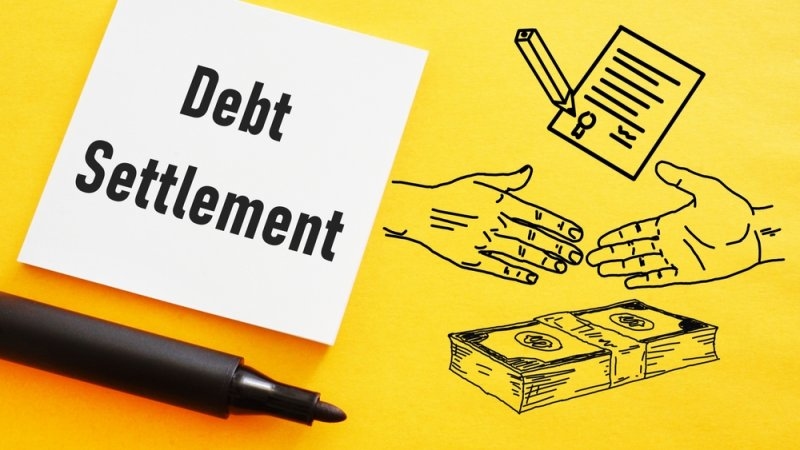
The debt settlement process typically begins with the debtor stopping regular payments to creditors and instead depositing monthly funds into a dedicated escrow account. Once a sufficient lump sum accumulates in this account, negotiators present settlement offers to creditors.
Creditors agree to forgive a portion of the balance in exchange for an immediate single payment or structured short-term installments. However, creditors are under no legal obligation to accept settlement offers, and collection efforts, penalty fees, interest charges, or wage garnishment lawsuits can continue while negotiations are underway.
What is Bankruptcy?
Bankruptcy is a formal legal process governed by federal law and supervised by federal court judges to help individuals and businesses overcome unmanageable debt.
It provides an organized legal framework to eliminate qualifying unsecured debts or restructure liabilities under court supervision. The primary options available to individual consumers are Chapter 7 liquidation bankruptcy and Chapter 13 reorganization bankruptcy.
How Does Bankruptcy Protect You?
Filing a bankruptcy petition immediately triggers a powerful legal injunction known as the automatic stay.
This court order legally prohibits creditors from taking any collection actions against you for the duration of the case. It instantly stops harassing phone calls, collection letters, pending lawsuits, wage garnishments, bank levies, and property foreclosures. Once the process is complete, the federal court issues an official discharge that permanently cancels qualifying debts, making it illegal for creditors to attempt collection ever again.
Must Try: Types of Bankruptcy Courts: Which One Is Right for You?
Bankruptcy vs. Debt Settlement Pros and Cons
Evaluating the bankruptcy vs. debt settlement pros and cons highlights essential trade-offs regarding court involvement, timeline speeds, and legal protections.
Debt Settlement Advantages and Disadvantages
- Settlement Pros: Avoids public court record filings, preserves co-signer protections in select cases, and resolves debts faster than paying minimum balances.
- Settlement Cons: Lacks legal protection against active lawsuits, damages credit scores during missed payment phases, incurs program fees, and forgiven debt may trigger IRS taxable income.
Bankruptcy Advantages and Disadvantages
- Bankruptcy Pros: Stops lawsuits and garnishments instantly via automatic stay, discharges qualifying unsecured debt legally, and provides court-enforced resolution.
- Bankruptcy Cons: Remains on credit bureau reports for 7 to 10 years, requires full asset and income disclosures, and involves court filing fees.
Comparing Chapter 7 Bankruptcy vs. Debt Settlement
Understanding Chapter 7 bankruptcy vs. debt settlement helps low-income filers evaluate rapid debt elimination.
| Comparison Feature | Chapter 7 Bankruptcy | Debt Settlement |
| Legal Framework | Federal court-supervised judicial process | Voluntary informal negotiation with creditors |
| Creditor Participation | Mandatory; creditors must obey court orders | Voluntary; creditors can refuse to negotiate. |
| Immediate Legal Protection | Automatic stay halts lawsuits and garnishments instantly | None; creditors may sue or garnish wages during talks. |
| Average Timeline | Complete discharge typically takes 3 to 6 months. | Requires 2 to 4 years to accumulate lump sums |
| Tax Impact on Debt | Discharged debt is entirely tax-free. | Forgiven debt over $600 is taxable income. |
Chapter 7 bankruptcy is a liquidation process that wipes out credit card debt, medical bills, and personal loans within three to six months without repayment plans. Filers must pass a state means test to qualify. In contrast, debt settlement requires accumulated cash reserves to pay agreed lump sums, making settlement difficult for individuals without liquid savings.
Try This: Bankruptcy Exemptions Explained and How They Protect Assets
Comparing Chapter 13 Bankruptcy vs. Debt Settlement
Analyzing Chapter 13 bankruptcy vs. debt settlement assists wage earners who want to protect valuable assets like homes.
| Comparison Feature | Chapter 13 Bankruptcy | Debt Settlement |
| Repayment Plan Structure | Court-approved 3- to 5-year plan based on disposable income | Unstructured savings plan until the lump sum is saved |
| Protection for Home & Assets | Halts foreclosure and protects non-exempt property | Cannot stop foreclosure or asset repossession |
| Interest & Fee Accrual | Freezes interest and late fees on unsecured debt | Interest and penalties accumulate while waiting. |
| Creditor Compliance | Bound by court-approved repayment percentages | Individual creditors can reject proposals anytime. |
| Success Completion Rate | High completion rate backed by binding court terms | High drop-out rate due to aggressive collection |
Chapter 13 bankruptcy establishes a court-approved repayment plan lasting three to five years based on disposable income. It protects homes from foreclosure and stops interest accrual. Debt settlement lacks court-enforced interest freezes, meaning missed payment penalties can increase total balances while negotiations drag on.
Analyzing the Cost of Bankruptcy vs. Debt Settlement
Comparing the cost of bankruptcy vs. debt settlement reveals surprising financial differences over time.
bills;
Chapter 7 bankruptcy costs typically involve fixed attorney fees and court filing charges around $335, yielding complete debt discharge without tax penalties. Debt settlement companies charge service fees ranging from 15 to 25 percent of enrolled debt, and forgiven debt over $600 is classified as taxable income by the IRS, significantly increasing overall costs.
Bankruptcy vs. Debt Settlement Credit Score Impacts
Analyzing bankruptcy vs. debt settlement credit score outcomes shows how each method alters credit reporting.
Debt settlement usually lowers credit scores by 50 to 100 points because accounts show missed payments and settled-for-less-than-full-balance remarks. Filing bankruptcy drops scores by 130 to 200 points initially. However, because bankruptcy eliminates debt balances immediately, filers can begin rebuilding credit scores through secured credit cards within months after receiving their discharge.
Key Decision Guide: Should I File Bankruptcy or Settle My Debt?
Determining whether bankruptcy is better than debt settlement for your personal situation depends on specific financial triggers:
- Consider Debt Settlement If: You have a manageable number of delinquent accounts, possess liquid savings to pay lump sums, earn too much to qualify for Chapter 7, and wish to avoid court records.
- Consider Bankruptcy If: You face active wage garnishment, foreclosure threats, or debt lawsuits; carry overwhelming medical bills; and need immediate legal protection under federal law.
Conclusion
Choosing between bankruptcy vs. debt settlement is a pivotal moment on your journey toward financial recovery. Throughout this comprehensive comparison guide, we explored how debt settlement negotiations operate, examined court protections under Chapter 7 and Chapter 13, analyzed total costs, and evaluated long-term credit score impacts.
Debt settlement may suit individuals with available cash who want to avoid public filings, whereas bankruptcy offers immediate legal relief from collection actions and garnishments. Restoring peace of mind begins with reviewing your personal budget, evaluating total unsecured balances, and seeking trusted guidance. By taking informed action today, you can eliminate overwhelming financial burdens and lay a solid foundation for long-term stability.
Are you ready to stop creditor harassment, protect your hard-earned assets, and explore the ideal debt relief pathway for your family? Connect with experienced legal professionals and bankruptcy advocates today to schedule a confidential consultation and reclaim your financial future!
FAQs
How does debt settlement affect your tax obligations?
When a creditor forgives $600 or more of principal debt through settlement negotiations, the IRS considers that forgiven amount taxable income. You will receive a Form 1099-C reporting canceled debt, which must be declared on your annual tax return unless you prove total insolvency at the time of settlement.
Can creditors sue you while in a debt settlement program?
Yes, creditors can file debt collection lawsuits and pursue wage garnishments while you participate in a debt settlement program. Because settlement agencies operate informally without court supervision, enrollment does not prevent creditors from taking immediate legal action to collect outstanding balances.
What debts cannot be discharged through bankruptcy filing?
Federal bankruptcy laws prohibit discharging certain obligations, including child support, alimony, recent tax debts, criminal fines, court penalties, and most student loans. Secured debts like mortgages and auto loans must also be paid if you choose to keep the underlying property.
How soon can you rebuild your credit after chapter 7 bankruptcy?
Rebuilding credit can begin immediately after receiving your Chapter 7 court discharge, which usually occurs three to six months after filing. Opening a secured credit card, keeping credit utilization below ten percent, and making timely monthly payments helps most filers reach good credit scores within two years.
Will filing bankruptcy impact your current employment status?
Under federal law, private and government employers are strictly prohibited from terminating your employment or altering work terms solely because you filed for bankruptcy. While public records show filings, employers cannot discriminate against current workers, though financial industry positions may review credit reports for new applicants.
Current Topics
1. What are the Key Consumer Protection Laws You Should Know?
Quick TakeawayUnderstan...
2. How to Choose a Family Law Attorney for Legal Cases and Help
Key TakeawaysA family l...
3. Chapter 7 vs Chapter 11 Bankruptcy: What You Need to Know?
Key TakeawaysChapter 7 ...
4. Misdemeanor vs Felony: Key Differences and Penalties
Key TakeawaysMisdemeano...
5. Sole Proprietorship vs LLC: Choose the Right Business Setup
Key takeawaysIn decidin...
6. Chapter 7 vs Chapter 13: Which Bankruptcy Option is Right?
Key TakeawaysIt is impo...
7. Legal Separation vs Divorce: Understanding the Differences
Breaking up a household completely wr...
8. How to Write a Legal Will Your Family and Courts Will Honor
Key TakeawaysA will let...
9. How to Choose a Good Criminal Defense Lawyer: Step-by-Step
Hearing the click of handcuffs or rea...
10. Different Types of Lawyers: How to Find the Right Attorney?
Most people never think about hiring ...